
Screen Time vs Reading Time: Building Strong Reading Habits for Children
By Saheli Editorial · LevelUp Online Education
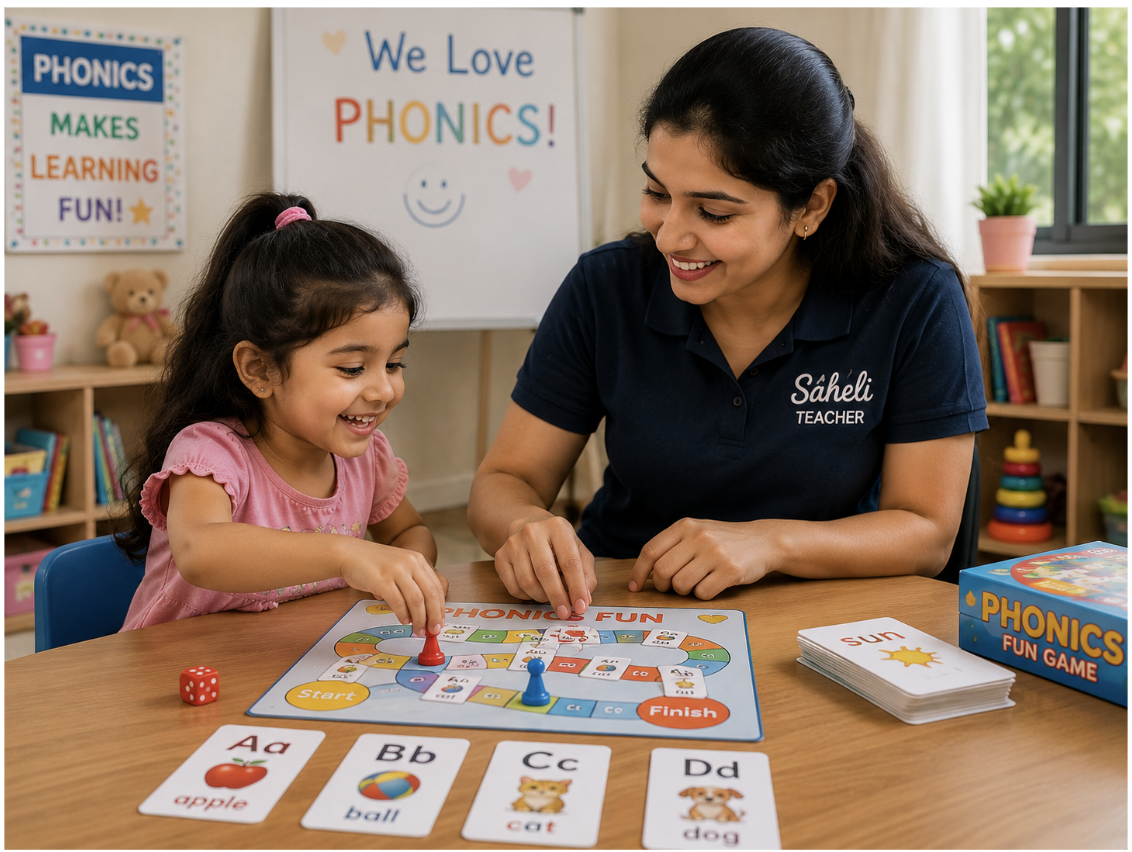
"My child would rather watch videos than pick up a book." If that sounds familiar, you're not alone.
Across households today, many parents are facing the same challenge. Tablets, smartphones, television, and gaming apps compete for children's attention every day. While technology offers many benefits, excessive screen time can make it harder for children to develop a love for reading.
The good news is that parents don't need to eliminate screens entirely to raise strong readers. The goal is not to create a battle between technology and books. Instead, it's about creating healthy balance and nurturing positive reading habits for children that can last a lifetime.
The strongest readers are not necessarily the children who read the most books at the youngest age. They are often the children who view reading as enjoyable, rewarding, and part of their everyday routine.
Let's explore why reading habits are changing, what parents can do at home, and how the right guidance can make the journey easier.
Why Are Reading Habits Changing?
Children today are growing up in a very different environment than previous generations. Screens provide:
- Instant entertainment
- Bright visuals
- Fast-paced content
- Immediate rewards
- Endless variety
Books, on the other hand, require patience, focus, imagination, and effort. Naturally, many children gravitate toward activities that provide instant stimulation.
This doesn't mean children dislike reading. It simply means that developing strong reading habits for children often requires intentional support from parents and educators. When reading becomes enjoyable rather than forced, children are far more likely to choose books voluntarily.
The Real Goal Isn't Less Screen Time—It's More Reading Time
Many parents focus entirely on reducing screen usage. While healthy limits are important, research and experience show that replacing screen time with meaningful reading opportunities is often more effective than simply restricting devices.
Instead of asking "How can I get my child off screens?" try asking "How can I make reading more appealing?" This small shift in mindset can transform the entire experience.
Children respond better when they are invited toward something enjoyable rather than pushed away from something they like. Building positive reading habits for children starts with creating positive experiences around books.
Small Daily Routines Create Big Results
Reading success rarely comes from occasional bursts of effort. It comes from consistent daily habits. Fortunately, parents don't need hours each day to make a difference.
Create a daily reading time. Choose a consistent time each day, such as before bedtime, after school, during afternoon quiet time, or after dinner. Even 15 to 20 minutes of daily reading can strengthen literacy skills over time.
Let children choose books. Children are more motivated when they have ownership. Allow them to select books that match their interests, whether those interests include animals, space, sports, fairy tales, or adventure stories.
Read together. Shared reading creates positive emotional connections with books. When parents read aloud, children develop vocabulary, listening skills, comprehension, and confidence. These simple strategies help establish strong reading habits for children without creating unnecessary pressure.
Make Reading Feel Like Play
One reason screens are so appealing is that they feel fun. Reading should feel fun too. Young learners benefit tremendously from play-based literacy experiences. Some ideas include:
- Sound hunts: ask children to find objects around the house that begin with a particular sound.
- Letter games: use magnetic letters, flashcards, or simple word-building activities.
- Story acting: invite children to act out scenes from their favorite books.
- Rhyming challenges: turn rhyming into a family game during car rides or mealtimes.
These activities support literacy development while keeping learning engaging. Play-based experiences are especially effective when building early reading habits for children because they reduce anxiety and increase enjoyment.
Why Phonics Plays an Important Role
Many parents focus on getting children to read more but overlook the skills required for reading success. If reading feels difficult, children often avoid it. This is where phonics becomes important.
Phonics teaches children how letters and sounds work together to form words. As children develop stronger decoding skills, reading becomes easier and more enjoyable. When children can successfully sound out words, they experience small victories that build confidence.
Confidence often leads to increased motivation, and motivation strengthens reading habits for children over time. Rather than memorizing words, phonics gives children tools they can use independently whenever they encounter new vocabulary.
How Teacher Guidance Accelerates Learning
Parents play a vital role in literacy development, but they don't have to do everything alone. A qualified phonics educator can help children:
- Build foundational reading skills
- Strengthen decoding abilities
- Improve fluency
- Increase confidence
- Develop a positive relationship with reading
Teachers also provide structured learning pathways that many parents may find difficult to create on their own. Most importantly, experienced educators know how to identify learning gaps and provide targeted support before small challenges become larger obstacles. Strong teacher guidance often accelerates the development of reading habits for children by making reading more accessible and enjoyable.
Parents Don't Need to Be Reading Experts
One of the biggest misconceptions is that parents must become literacy experts to help their children succeed. The reality is much simpler. Children benefit most when parents:
- Encourage reading regularly
- Celebrate progress
- Create positive reading experiences
- Provide access to books
- Seek guidance when needed
Consistency matters far more than perfection. A child who experiences encouragement and support is more likely to become a confident reader than a child who feels pressure or frustration around books. The goal is not to create perfect readers overnight. The goal is to nurture lifelong reading habits for children that continue to grow year after year.
Finding the Right Support Makes Reading Easier
Every child learns differently. Some children naturally develop strong reading skills, while others need additional guidance and structured support. When reading becomes stressful, both parents and children can feel discouraged.
The right mentor can change that experience completely. A skilled phonics teacher helps children build confidence, develop foundational literacy skills, and discover the enjoyment that reading can bring. Instead of viewing books as a challenge, children begin to see them as an opportunity for learning, imagination, and achievement.
How Saheli Helps Parents Find Quality Phonics Educators
Finding the right educator can feel overwhelming, especially when there are so many options available. Saheli helps simplify the process by connecting families with educators who focus on meaningful learning outcomes. Parents can discover teachers based on:
- Teaching approach
- Experience
- Child age expertise
- Communication practices
- Learning support methods
- Trial class availability
- Reading development goals
Because every child deserves the opportunity to become a confident reader, Saheli helps parents find educators who care about progress—not just attendance.
Final Thoughts
In today's digital world, screens are likely to remain part of children's lives. The goal is not to eliminate technology but to create balance and build positive experiences around reading.
Small daily routines, playful phonics activities, consistent encouragement, and expert guidance can make a remarkable difference over time. Strong reading habits for children are not built in a day. They are built through small moments that add up over months and years.
And when parents need additional support, finding the right phonics mentor can make reading enjoyable instead of stressful—helping children develop the confidence and skills they need to succeed both inside and outside the classroom.
Frequently asked questions
How much should my child read each day to build strong habits?
Consistency matters more than duration. Even 15 to 20 minutes of daily reading at a fixed time—such as before bedtime or after school—can meaningfully strengthen literacy skills over months and years.
Do I have to eliminate screen time to raise a strong reader?
No. The goal is balance, not elimination. Replacing some screen time with enjoyable, meaningful reading opportunities is more effective than simply restricting devices. Focus on making reading appealing rather than fighting technology.
Does phonics really help children enjoy reading more?
Yes. Phonics teaches children how letters and sounds combine to form words. As decoding becomes easier, children experience small victories that build confidence and motivation, which in turn strengthens their reading habits over time.
How does Saheli help me find the right phonics teacher?
Saheli connects families with educators based on teaching approach, experience, child age expertise, communication practices, learning support methods, trial class availability, and reading goals—so you can find a teacher focused on real progress.
Find a trusted phonics teacher on Saheli
Browse verified, trained phonics educators near you — or join Saheli as a teacher and grow your reach with zero commission.