Is Your Child Guessing Words Instead of Reading?
By Saheli Editorial · LevelUp Online Education
Imagine your child looking at the word "cat" and saying "dog" simply because there is a picture of a dog nearby. Or perhaps they see the first letter of a word and guess the rest without actually reading it.
These behaviors are more common than many parents realize.
When children have not developed strong sound-letter connections, they often rely on guessing strategies rather than decoding words. While this may help them get through simple books temporarily, it becomes increasingly difficult as reading materials become more advanced.
Children who struggle with decoding often:
- Guess words based on pictures
- Skip unfamiliar words
- Read very slowly
- Avoid reading aloud
- Become frustrated during reading activities
Early intervention through phonics classes for kids helps children learn how letters and sounds work together, giving them the tools they need to read independently.
Early Warning Signs Parents Often Miss
Many reading challenges begin long before parents notice academic difficulties. Some early warning signs include:
Difficulty Recognizing Letter Sounds — Your child may know the alphabet song but struggle to identify the sound each letter makes.
Trouble Blending Sounds — When asked to blend sounds like /c/ /a/ /t/, they may not be able to form the word "cat."
Avoiding Books — Children who find reading difficult often lose interest in books because reading feels stressful rather than enjoyable.
Poor Reading Confidence — A child may say things like:
- "I'm not good at reading."
- "Can you read it for me?"
- "This is too hard."
These signs should not be ignored. The earlier parents address them, the easier it becomes to build strong literacy skills. This is why many families choose phonics classes for kids before reading gaps become larger.
Why Phonics Builds Reading Confidence
Reading is not a natural skill like speaking. Children need to be taught how written symbols represent spoken sounds. Phonics provides this essential foundation.
Instead of memorizing hundreds of words, children learn a system that allows them to decode unfamiliar words on their own. When children understand:
- Letter sounds
- Sound blending
- Segmenting words
- Word patterns
they begin to experience success. That success creates confidence. Confidence encourages practice. Practice improves fluency. Fluency develops strong readers.
This positive cycle often starts with structured phonics classes for kids that focus on building skills step by step.
The Emotional Impact of Reading Struggles
Reading difficulties affect much more than academic performance. Many children begin comparing themselves to classmates. They notice when others read faster or answer questions more quickly.
Over time, this can affect:
- Self-esteem
- Classroom participation
- Motivation to learn
- Overall confidence
Parents often focus on improving grades, but the bigger goal should be helping children feel capable and confident. Quality phonics classes for kids not only improve reading skills but also help children rediscover the joy of learning.
How the Right Teacher Changes Outcomes
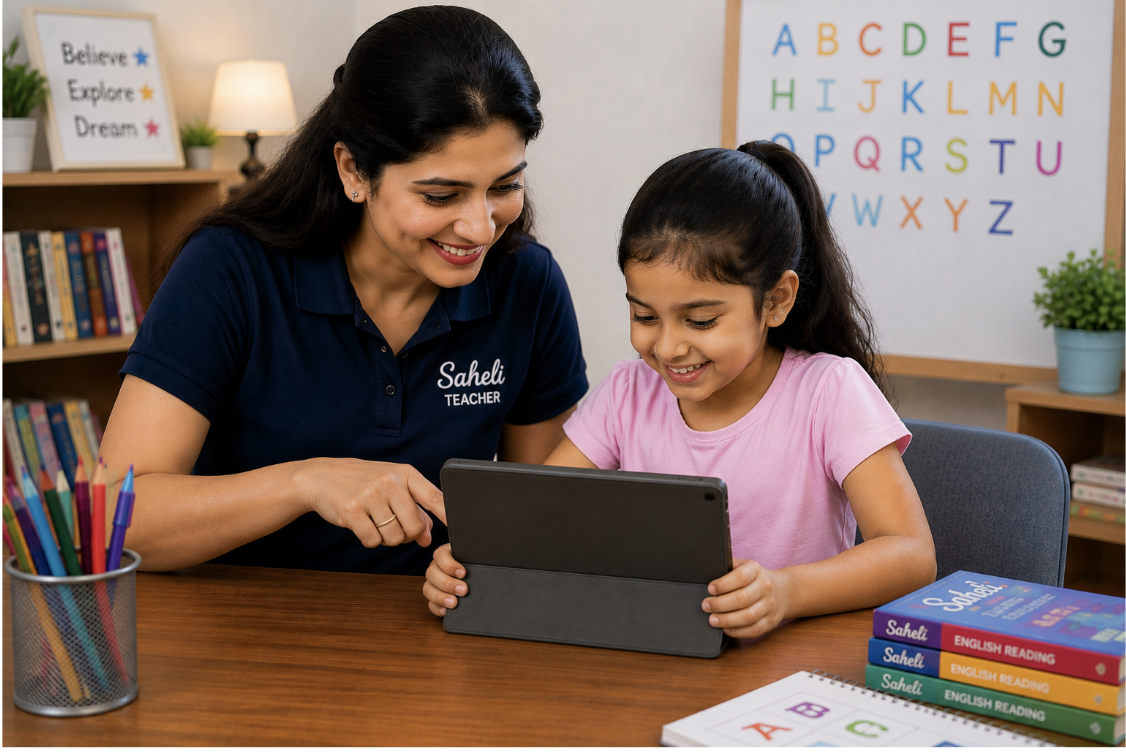
Not all reading instruction is the same. A skilled phonics educator understands that every child learns differently. They know how to identify gaps, adjust teaching methods, and provide encouragement throughout the learning journey.
The right teacher can:
- Identify specific reading challenges
- Create engaging lessons
- Use multisensory learning techniques
- Build confidence through small successes
- Support children at their own pace
For many families, finding the right educator becomes the turning point in their child's reading journey. This is why choosing experienced phonics classes for kids with trained educators can have a lasting impact.
Why Personalized Support Matters
Every child has unique strengths, challenges, interests, and learning styles. Some children learn quickly in groups. Others need one-on-one attention. Some require additional practice with blending. Others need help developing reading fluency.
Personalized phonics instruction allows teachers to focus on exactly what a child needs rather than following a one-size-fits-all approach. When instruction is tailored to the child, progress often becomes faster, smoother, and more enjoyable.
Many parents find that personalized phonics classes for kids provide the support their child needs to overcome reading challenges and build lifelong literacy skills.
Building Strong Readers Starts Early
The good news is that reading struggles do not have to define a child's future. With the right guidance, consistent practice, and a strong phonics foundation, children can develop the skills they need to become confident readers.
The earlier these foundations are built, the easier it becomes for children to succeed not only in reading but across all areas of learning. Every confident reader starts with strong foundations. And often, those foundations begin with effective phonics classes for kids that help children unlock the power of words.
Looking for a Trusted Phonics Educator for Your Child?
Finding the right teacher can make all the difference in your child's reading journey. Saheli helps parents connect with passionate, verified phonics teachers who provide personalized support, build reading confidence, and create positive learning experiences for children. Start your search today and help your child develop the strong literacy skills they deserve.
Frequently asked questions
What are the early signs my child is struggling to read?
Common signs include guessing words from pictures, skipping unfamiliar words, reading very slowly, avoiding reading aloud, trouble blending sounds like /c/ /a/ /t/ into "cat," and saying things like "this is too hard." Spotting these early makes it much easier to close reading gaps.
At what age should my child start phonics classes?
Most children benefit from phonics between ages 3 and 6, when they are building letter-sound awareness — but phonics classes help older children too if reading gaps have appeared. A skilled teacher assesses your child's current level and starts from there.
Are group classes or one-on-one phonics lessons better?
It depends on the child. Some learn well in small groups, while others need one-on-one attention for blending or fluency. Personalized phonics instruction lets the teacher focus on exactly what your child needs, which usually makes progress faster and more enjoyable.
How does Saheli help me find the right phonics teacher?
Saheli connects parents with passionate, verified phonics teachers who offer personalized support and build reading confidence. You can explore teacher profiles, review their expertise, and connect directly — making it simple to find the right educator for your child.
Find a trusted phonics teacher on Saheli
Browse verified, trained phonics educators near you — or join Saheli as a teacher and grow your reach with zero commission.